
How Many Hours of Wedding Photography Do You Need in Vermont?
October 15, 2026
Figuring out how many hours of wedding photography to book is one of the most common questions couples face during wedding planning.
The honest answer is that it depends on your day – your locations, your people, and how you want the story told. This guide walks through everything Vermont couples should consider, from getting ready photos to the last dance, so you can choose coverage that fits your plans and your budget.
Key Takeaways
- Most full Vermont wedding days are comfortably covered in roughly 8–10 hours of photography, while smaller celebrations and elopements often do well with 4–6 hours. Eight hours is the most popular wedding photography package and is considered the industry standard.
- The right number of hours depends on factors like getting ready photos, travel between locations, family portraits, ceremony time, and how long the reception runs – not a one-size-fits-all formula.
- Vermont’s seasons, winding roads, and mountain venues add real logistics that affect your overall timeline. Buffer time prevents a rushed wedding day experience and allows for unexpected delays.
- Wedding photography in Vermont often starts around $3,000, with many full-day collections between $4,000–$6,000 depending on coverage. Most photographers offer packages of 6, 8, or 10 hours.
- Below you’ll find example timelines, a simple coverage-planning worksheet, and FAQs to help you confidently decide how many hours you need.
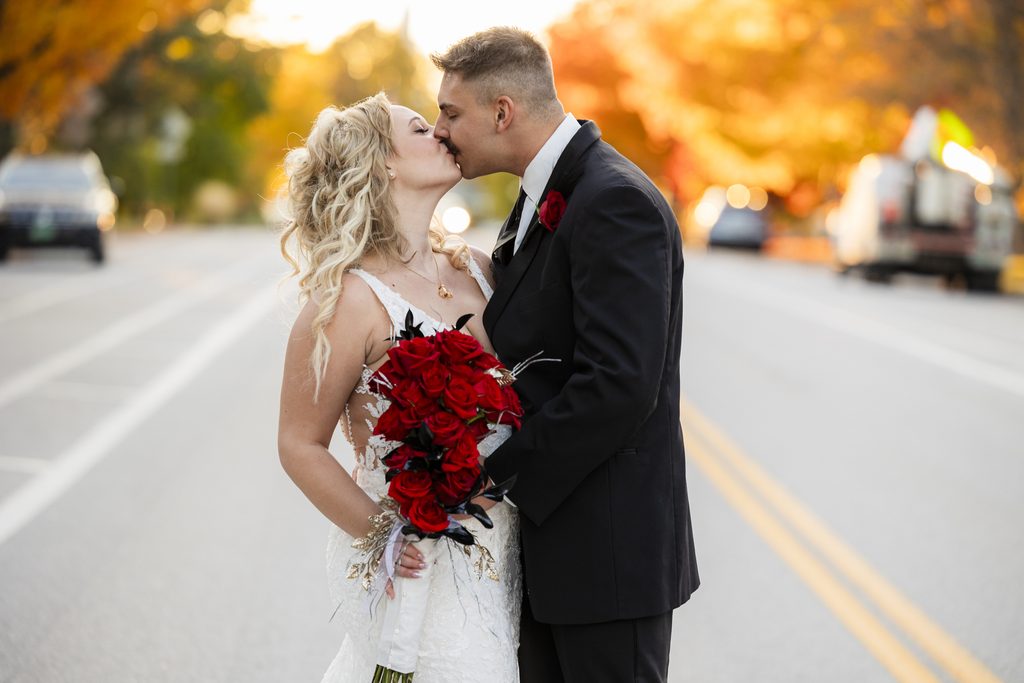
How Many Hours of Wedding Photography Do Vermont Couples Typically Need?
There is no single correct number of hours of wedding photography. That said, most couples require between 6 to 10 hours of photographer coverage, and for a full Vermont wedding day with ceremony, cocktail hour, dinner, and dancing, roughly 8–10 hours covers the story well. Ten hours of coverage allows for thorough documentation of the day and a relaxed wedding day atmosphere.
Smaller or more casual celebrations tell a different story. A 40-person brunch wedding in Burlington or an intimate Tuesday elopement overlooking peak foliage might be beautifully covered in 3–6 hours. Four to six hours of coverage is recommended for elopements and small weddings, while six hours works best for small weddings with fewer events.
The number of hours should be driven by what you actually want documented: getting ready, a first look, couple portraits, family photos, ceremony, cocktail hour, and late-night dancing. Think of it in rough ranges – 3–5 hours for a short celebration or elopement, 6–8 hours for a simple but full day, and 9–10 or more hours for multiple locations, a full reception, or cultural events.
These aren’t rigid rules. They’re starting points. “Wedding photography hours Vermont” is something couples frequently search when beginning to plan, and the ideal coverage is determined by the wedding’s size and layout.
Factors That Shape Your Wedding Photography Hours in Vermont
Vermont weddings often involve travel between inns, barns, lakes, and mountain overlooks, plus unpredictable weather and seasonal light changes. All of these influence how many hours of wedding photography make sense. Locations affect the required number of photography hours due to transit time – and multiple venues generally require stepping up to an 8- or 10-hour photography package.
Here’s what to weigh:
- Guest count and how many group photos you’d like
- Number of locations (getting ready, ceremony location, reception location, portrait spots)
- Ceremony start time and ceremony time relative to sunset
- Religious or cultural traditions that extend the ceremony
- Length of cocktail hour and how long you plan to dance
- Whether you want a grand exit or send off documented
Vermont’s seasons matter, too. In Burlington, golden hour on October 15 begins around 5:29 PM with sunset near 6:09 PM, so fall and winter weddings may need earlier portraits. Summer weddings offer more breathing room – golden hour in June doesn’t start until nearly 8:00 PM.
Consider a concrete example: a morning ceremony at a small church in Montpelier followed by a barn reception in the Mad River Valley. That drive alone can add 30–60 minutes of travel time, requiring additional hours of photography to cover the rest of the day without feeling rushed.
Do You Want Getting Ready Photos? Why Start Coverage Early
For many couples, getting ready photos are where the wedding day story begins. These aren’t posed fashion shots – they’re the quiet, real moments: buttoning a dress, writing vows at a farmhouse table, a parent seeing you dressed for the first time, detail shots of rings and invitations.
If you care about getting ready photos, expect to dedicate roughly 60–120 minutes of coverage before the first look or ceremony start. If both partners are being photographed in separate locations, you’ll need a little more time (or a second photographer). If only one partner wants ready shots, 45–60 minutes is usually enough.
In Vermont, getting ready might happen in a lakeside Airbnb, a historic inn in Woodstock, or a ski lodge near Stowe. Travel between partners’ locations can lengthen the needed hours of photography coverage. Choosing to include or skip this part of the day can easily add or subtract 1–2 hours of wedding photography.
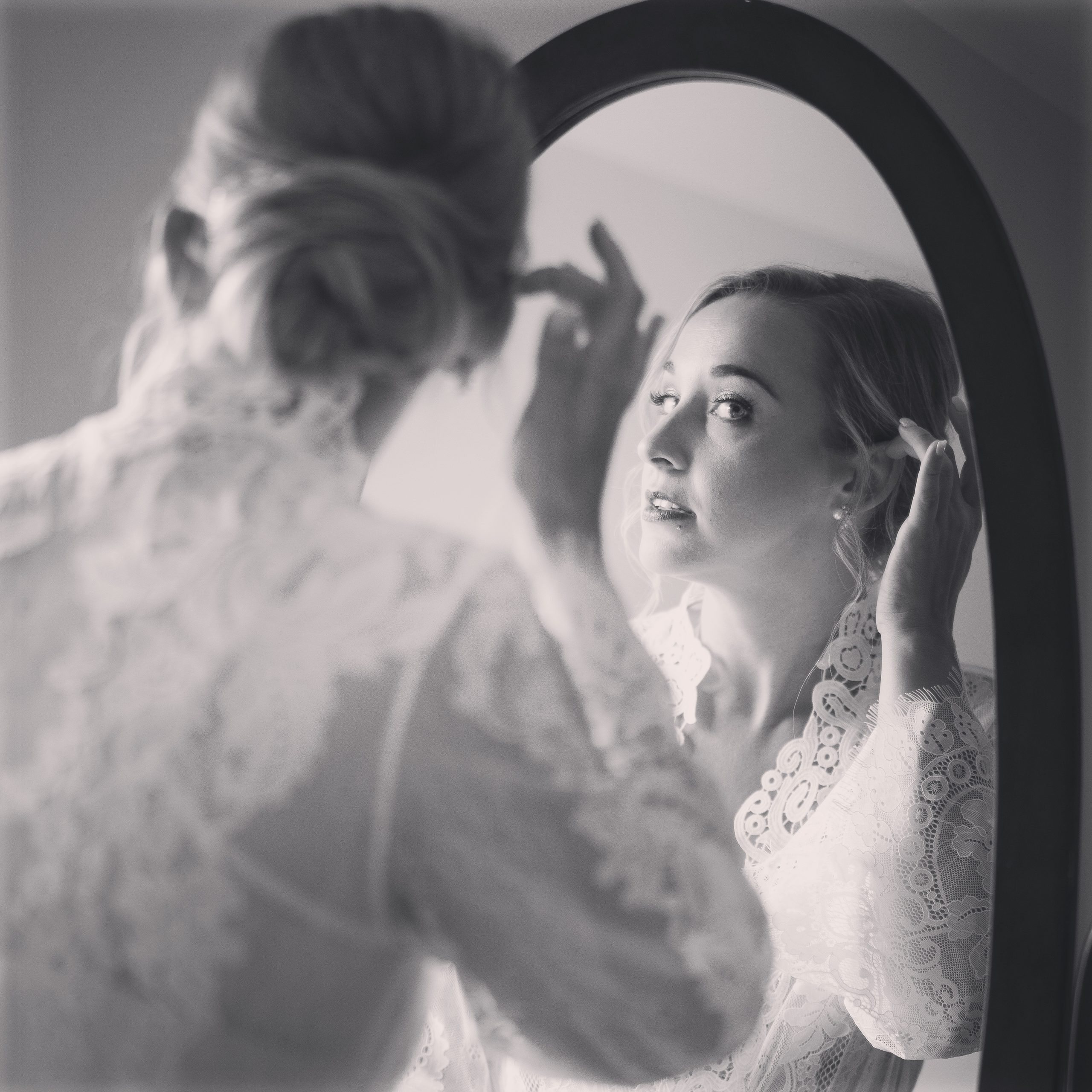
First Look vs. Traditional Aisle Reveal: How Each Affects Your Wedding Photography Hours Vermont Couples Book
A first look is a planned, private moment for the couple – bride and groom or partners – to see each other before the ceremony, often followed by couple portraits and some family portraits. It’s not for everyone, but it has real implications for your timeline.
A first look before the ceremony can save 1 to 1.5 hours in the schedule. It allows more private time together before the ceremony, and first look sessions help calm wedding-day jitters for couples. A first look allows for more couple portraits before the ceremony, provides additional portraits of the couple together, and first look sessions can streamline the wedding photography timeline. Couples who do a first look can enjoy cocktail hour with guests instead of spending it taking photos.
For Vermont weddings specifically, a first look gives you flexibility if rain clouds roll over the Green Mountains – you’ve already captured portraits in good light. You can explore scenic spots near the venue without rushing.
Weddings without a first look are equally valid. But couples should expect portraits to take most or all of cocktail hour, which may increase total hours of wedding photography if they also want many reception moments captured. This decision is one of the biggest timeline factors and can change whether you’re comfortable with seven, eight, or closer to 10 hours of day coverage.
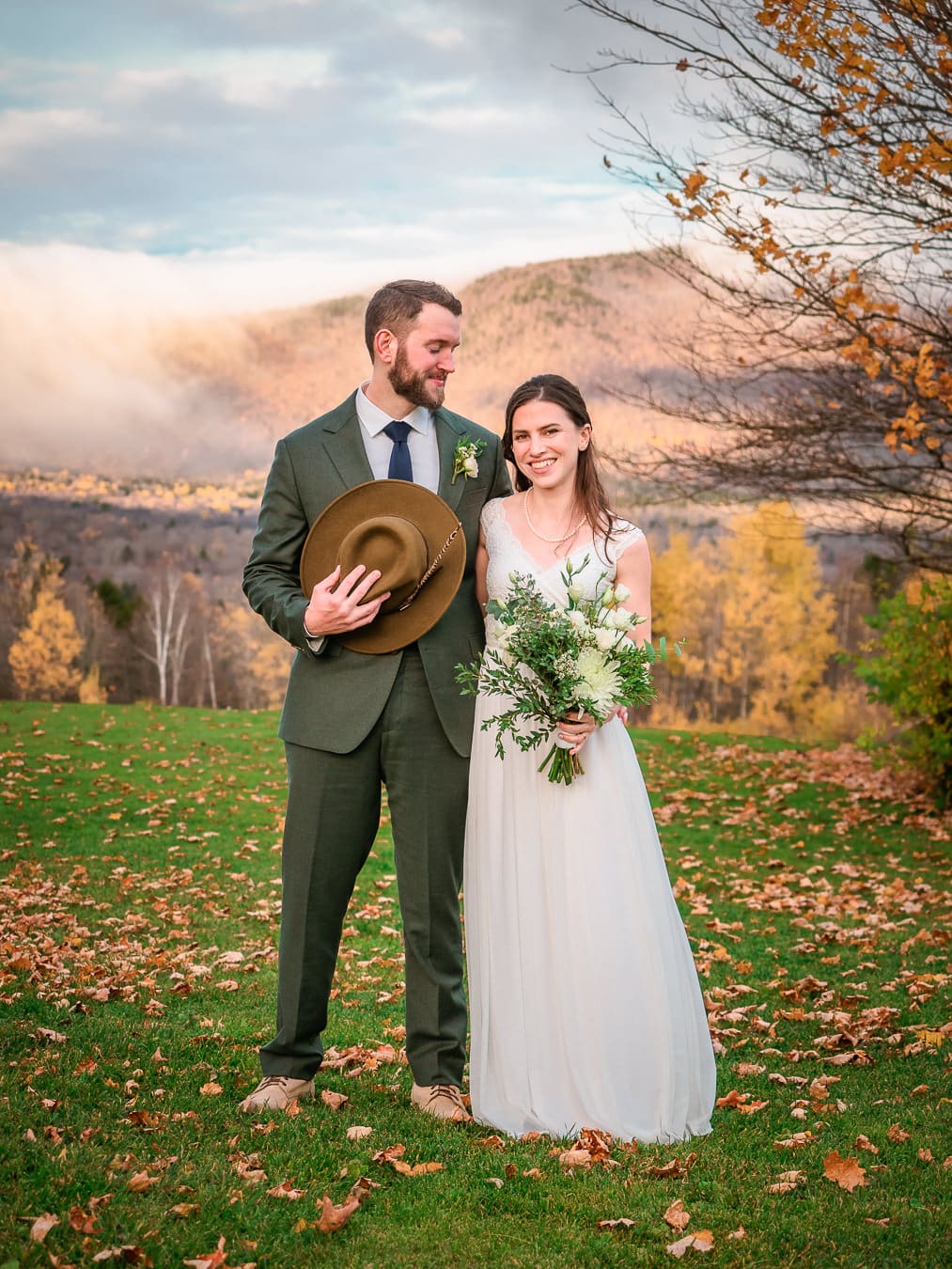
Planning Time for Family Portraits and Couple Portraits
Family portraits and couple portraits are often the images that feel most timeless years later, so it’s worth intentionally building time for them into your wedding timeline.
A relaxed timeline includes at least two hours for portraits overall. Immediate family portraits usually need about 20–40 minutes. Larger extended family groupings – grandparents, aunts, cousins – add more time. Dedicated couple portraits often need 20–45 minutes depending on locations. Groom portraits or individual portraits can fit into this window, too.
Trying to fit too many posed groupings into a short cocktail hour can make the day feel rushed and may require more hours of wedding photography overall. At a Vermont barn venue, you might plan extra time to walk through fields for sunset portraits or use a covered porch for family portraits during a sudden summer shower.
Create a simple, prioritized family portrait list ahead of time with family members and wedding party members clearly noted. Share it with your photographer so the time reserved in the schedule is realistic for the number of groupings. Wedding party photos and bridal party photos go faster with a clear plan.
Ceremony, Cocktail Hour, and Reception: Where Your Hours Actually Go
Once getting ready and pre ceremony portraits are planned, the remaining hours of wedding split among ceremony, cocktail hour, dinner, toasts, and the dance floor.
Vermont ceremony lengths vary. A quick outdoor ceremony at a lakeside camp may last 15–20 minutes, while religious services or multi-part cultural ceremonies can take 45–60 minutes. During cocktail hour, your photographer captures candid guest interactions, detail shots of the reception space, guests arriving, and any remaining bridal party photos or couple portraits if there was no first look.
Common reception events include entrances, first dance, parent dances, toasts, cake cutting, and 30–90 minutes of open dancing. Couples don’t usually need hours of late-night dance floor photos unless the party itself is a major priority. The last hour of coverage often captures the tail end of dancing or a send off. Six hours may feel rushed for larger weddings because there simply isn’t enough time for all these moments plus portraits and transitions.
You can absolutely prioritize staying present with guests over posed photos and still get meaningful wedding photos in the hours you choose. The last thing you want is to spend your entire reception taking photos instead of enjoying it.
Understanding Buffer Time, Travel, and Vermont Logistics
One of the biggest timeline mistakes couples make is underestimating transitions – moving wedding party members between spots, driving along back roads, or simply gathering everyone for a group photo.
Buffer time means adding 5–15 extra minutes around key transition points: putting on attire, first look, traveling between the ceremony location and reception location, and organizing family portraits. Buffer time helps avoid a rushed wedding day experience, allows for unexpected delays during the wedding day, and helps capture candid moments naturally. More hours of coverage lead to a more relaxed wedding atmosphere. Most photographers recommend adding buffer time to timelines because it helps calm nerves and protects your ability to enjoy the day.
Vermont-specific logistics make this especially important. Winding mountain roads near Killington or Stowe, foliage-season traffic, mud season conditions on dirt roads – these realities make extra buffer time a smart choice. Travel between multiple locations (getting ready at an inn in Manchester, ceremony at a church, reception at a barn) can easily add 30–90 minutes to the total hours of wedding photography coverage needed. Leave room in your overall timeline. Planning buffer time isn’t expecting the worst – it’s protecting your ability to relax.
Example Coverage Scenarios for Different Vermont Wedding Days
These scenarios are general examples to help you visualize how hours of photography might fit into different types of Vermont weddings. They are not fixed packages or recommendations for every couple.
5–6 Hour Timeline: A late-afternoon lakeside ceremony in late June with 50 guests. Minimal getting ready coverage (about a half hour), ceremony at 4:00 PM, couple portraits nearby, cocktail hour, dinner and toasts, first dance. Coverage wraps by 9 PM. Six hours of coverage often feels rushed and lacks buffer time, so this works best for simpler days at the same location.
7–8 Hour Timeline: A classic barn wedding in September with a first look at 2:00 PM, full family portraits before the ceremony, ceremony at 4:30, cocktail hour coverage, dinner, toasts, cake cutting, and the first hour of dancing. Eight hours is recommended for traditional weddings at a single or nearby location.
9–10 Hour Timeline: Separate getting ready locations starting at noon, a church ceremony in town at 3:00 PM, travel time to a mountain overlook for couple portraits, then a reception with toasts, sunset portraits, and a lively dance floor through 10 PM. Ten hours is suitable for multi-site venues or complex ceremonies.
For each scenario, the times are approximate. Choosing more or fewer hours of photography affects which parts of the story are documented – it doesn’t define what you “should” book.
Simple Worksheet: Choose Your Ideal Wedding Photography Hours
Use this worksheet together to estimate how much coverage fits your Vermont wedding day. The most reliable way to calculate photography hours is to subtract start time from end time.
Mark whether you want coverage for each of these, and assign approximate minutes:
| Moment | Want It? | Estimated Minutes |
|---|---|---|
| Getting ready (one or both partners) | 45–120 min | |
| First look | 20–30 min | |
| Family portraits (before or after ceremony) | 20–45 min | |
| Ceremony | 20–60 min | |
| Cocktail hour | 45–60 min | |
| Dinner, toasts, cake cutting | 60–90 min | |
| First dance, parent dances | 15–30 min | |
| Open dancing / dance floor photos | 30–90 min | |
| Sunset or golden hour portraits | 15–30 min | |
| Grand exit or send off | 10–15 min |
Note how many locations are involved and add realistic travel estimates between each. Then add it all up and convert to total hours of photography coverage. Don’t forget to add extra time for buffer – even an extra hour makes a difference.
Bring this worksheet to your consultation with B. Farnum Photography so you can talk through options and refine the photography coverage that fits your day.
Budget, Priorities, and Finding the Right Fit
The right number of hours of photography is the one that fits your budget, your emotional priorities, and your actual plans – not what anyone else booked. In Vermont, professional wedding photography often starts around $3,000, with many full-day collections commonly ranging between $4,000–$6,000 depending on hours, second photographers, albums, and other inclusions.
Clarify your top three priorities. Maybe it’s getting ready photos with your wedding party, lots of candid reception coverage, or relaxed time for couple portraits in the fall foliage. Invest your hours of wedding photography around those moments matter most.
Choosing fewer hours isn’t a failure – some couples genuinely prefer a shorter, simpler story with more photos of the moments that count. Others feel more at ease with 9–10 hours that allow the day to breathe. Open communication with your photographer about how much coverage you actually need and what matters most will help tailor the plan so no one feels pressured into more hours than they need.
For wedding day timeline ideas and additional planning tools, The Knot’s wedding day timeline guide is a helpful resource.
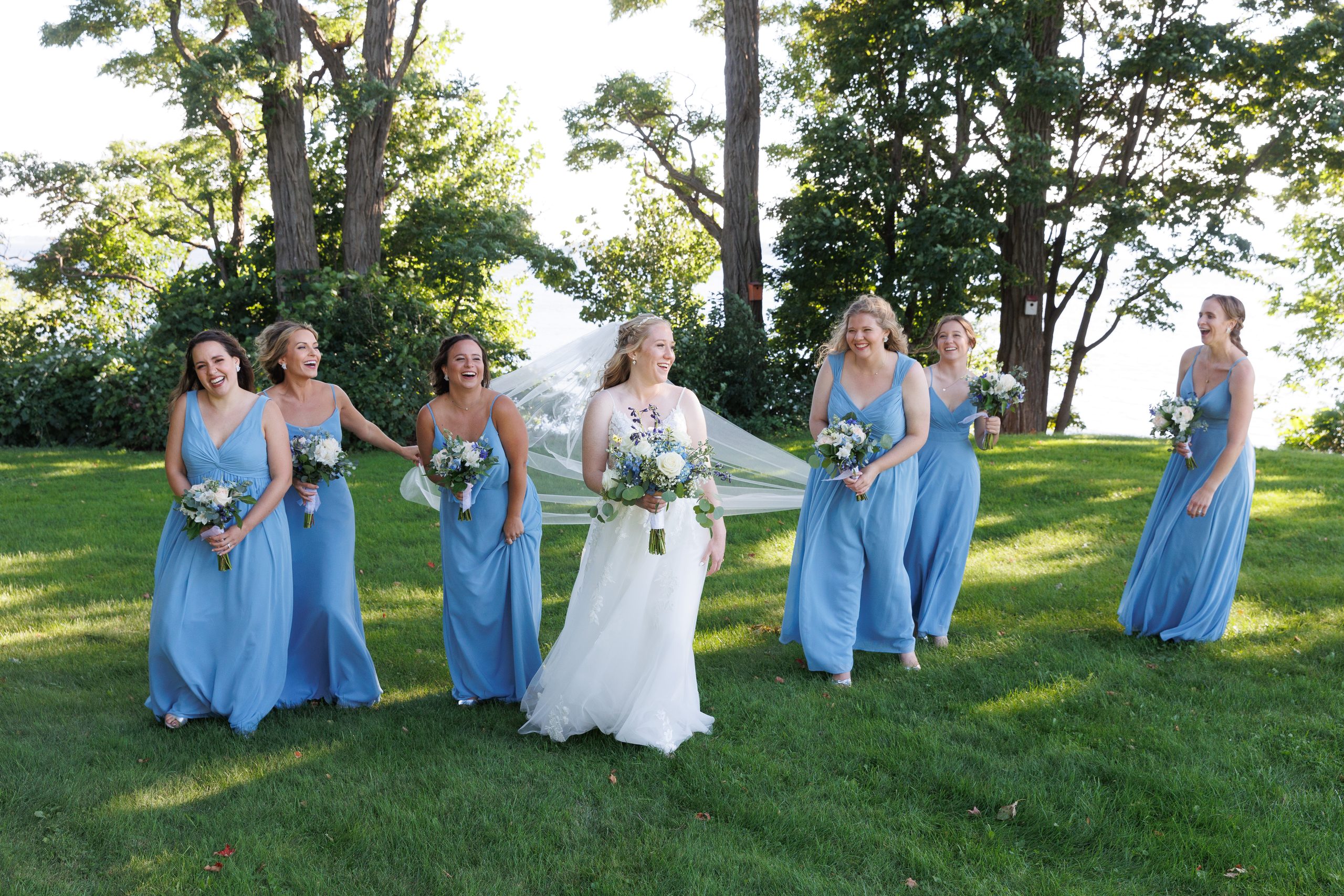
FAQs About Wedding Photography Hours in Vermont
Is six hours enough coverage for a Vermont wedding?
Six hours can work well for small weddings with fewer events, one location, a short guest list, and no late-night coverage. But six hours may feel rushed for larger weddings or days with travel between locations. If you want getting ready photos, a full ceremony, portraits, and reception events, you’ll likely want seven or eight hours at minimum to have enough time.
How far in advance should I book my wedding photographer in Vermont?
Booking a wedding photographer is best done 9 to 18 months in advance, especially for peak foliage season Saturdays in September and October. Shorter timelines may still work for off-peak dates, weekdays, or winter weddings – but the earlier you reach out, the better your options.
Can I add hours of photography closer to the wedding date?
Many photographers allow adding extra hours if arranged early enough, but policies vary. Confirm directly with your chosen photographer. It’s always easier to plan for how much time you’ll need upfront than to scramble for an extra hour the week before.
How do I balance photography with being present with my guests?
A thoughtful wedding timeline, buffer time, and a limited group photo list go a long way. When your photographer knows your priorities, they can work efficiently – taking photos during natural moments rather than pulling you away from your people. Staying present and getting meaningful coverage aren’t opposites.
What should I prepare for my photographer to make the most of our hours?
Bring a detail box with rings, invitations, shoes, and any heirloom items you’d like photographed. Share a family photo list with names and groupings. Send a rough timeline draft so your photographer can suggest adjustments for travel considerations, light, and buffer time tailored to your Vermont venue and season.
Closing Thoughts and Invitation to Connect
Choosing how many hours of wedding photography to book in Vermont is really about matching coverage to your unique day – your locations, your people, and your priorities. Most full wedding days land somewhere between 7–10 hours, but elopements and intimate celebrations may need much less, and every option is valid.
If you’re starting to plan, reach out to B. Farnum Photography for a no-pressure conversation about your date, your rough timeline, and what moments matter most. Send along your worksheet or draft schedule, and together we can build a relaxed, realistic photography plan tailored to your Vermont venue and season.
Thank you for reading – and whenever you’re ready, head over to the inquiry page to start planning your own Vermont wedding photography story.

Be the first to comment